Applied Research in Protein - Organism Systems
Advancing Biological Understanding Through Applied Research
Applied Research in Protein & Organism Systems brings together scientific approaches dedicated to understanding biological processes from molecular components to complete organism systems. Modern biology increasingly depends on the ability to connect molecular mechanisms with cellular functions, physiological responses, and organism-level behavior. By focusing on applied research across these interconnected levels, this scientific platform promotes the development, interpretation, and communication of knowledge that can contribute to a deeper understanding of biological complexity.
Protein systems represent a fundamental component of biological research because proteins participate in nearly every major cellular process. Their structures, interactions, modifications, localization, and activity influence signaling pathways, metabolism, gene regulation, cellular communication, and adaptation. Research focused on protein systems can therefore provide valuable perspectives on how biological functions emerge from molecular interactions and how alterations in these systems may affect cellular and organismal processes.

Exploring Protein Function and Molecular Interactions
Understanding proteins requires more than studying individual molecules in isolation. Protein activity is strongly influenced by molecular interactions, structural organization, cellular environments, and regulatory mechanisms. Applied research can investigate how proteins interact with nucleic acids, metabolites, membranes, cofactors, and other proteins to form dynamic molecular networks. These interactions provide important information about cellular organization and help researchers interpret biological functions within their broader molecular context.
Protein characterization can involve complementary experimental and computational approaches. Biochemical analysis, molecular biology, protein expression studies, structural investigation, microscopy, spectroscopy, and computational modeling can each contribute different forms of evidence. When these approaches are integrated, researchers can develop more comprehensive interpretations of protein behavior and identify relationships that may not be visible through a single experimental method.

From Molecular Mechanisms to Biological Systems
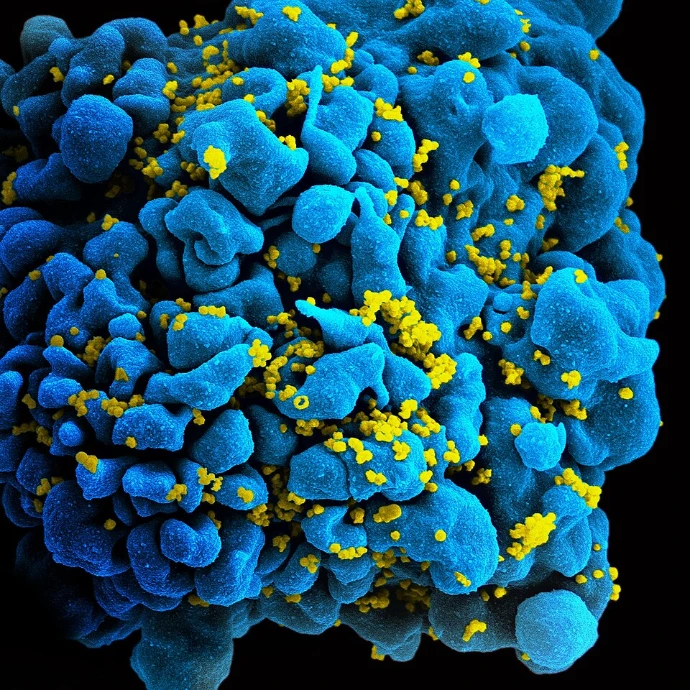
Biological systems are highly interconnected, and molecular events can influence cellular processes that ultimately affect tissues, organs, and whole organisms. Applied Research in Protein & Organism Systems therefore emphasizes connections between molecular mechanisms and larger biological systems. Studying these relationships can help explain how changes at the molecular level propagate through biological networks and contribute to specific phenotypes or physiological responses.
Organism-level research provides an additional perspective for understanding biological complexity. Experimental models can be used to examine how molecular and cellular mechanisms operate within integrated biological environments. By connecting molecular observations with organismal responses, researchers can develop stronger hypotheses concerning biological regulation, adaptation, development, and functional diversity.
Integrating Experimental and Computational Research
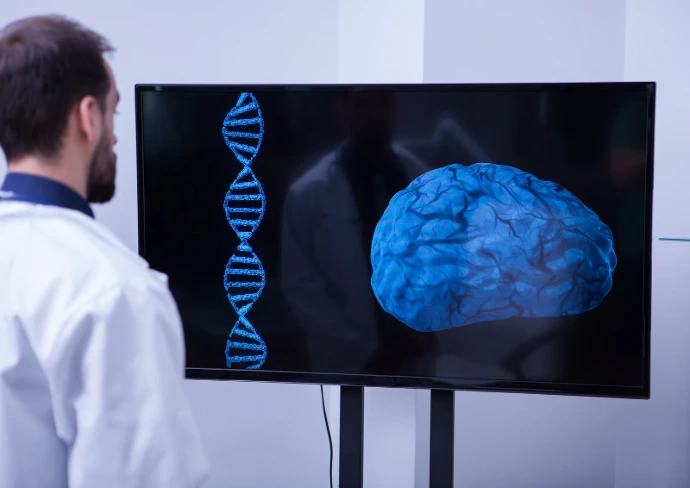
The increasing complexity of biological datasets has created a growing need for integrated research strategies. Experimental research can generate detailed observations about molecular and cellular processes, while computational approaches can organize, compare, model, and interpret large amounts of biological information. Combining these perspectives enables researchers to move from individual measurements toward broader biological insights.
Bioinformatics, data analysis, systems biology, molecular modeling, and computational biology can complement laboratory-based investigations by identifying patterns and relationships within complex datasets. Computational methods can support protein sequence analysis, structural prediction, interaction network analysis, pathway investigation, and comparative biological studies. When computational results are considered alongside experimental evidence, they can contribute to a more connected understanding of biological systems.Read article
Protein Systems and Cellular Function
Proteins contribute to essential cellular activities including signal transduction, enzymatic reactions, transport, structural organization, transcriptional regulation, and energy metabolism. Their functions are determined by complex relationships between protein structure, biochemical properties, cellular localization, and interactions with other molecular components.
Research into protein systems can therefore provide insight into how cells maintain their organization and respond to changes in their environment. Investigating protein abundance, activity, modification, localization, and interaction networks can help researchers understand dynamic cellular processes and the mechanisms that regulate them.Learn more
Advanced Approaches for Protein Research
Contemporary protein research benefits from a wide range of analytical technologies. Proteomics can provide large-scale information about protein abundance and composition, while mass spectrometry can support detailed molecular characterization. Structural biology can investigate three-dimensional organization, and imaging approaches can provide information about protein localization and dynamics within biological environments.
Additional approaches such as protein interaction analysis, molecular docking, computational modeling, and sequence-based investigation can provide complementary information. Combining multiple analytical strategies can improve the interpretation of protein function and support the investigation of complex molecular systems.Learn more
Applied Research and Biological Innovation
Applied research creates opportunities to transform fundamental biological knowledge into practical scientific perspectives. Understanding protein systems can contribute to research areas involving biotechnology, pharmaceutical sciences, diagnostics, agriculture, environmental biology, and other fields that depend on biological mechanisms.
By connecting fundamental observations with practical research questions, applied biological research can support innovation across multiple domains. The study of proteins and organism systems can provide a scientific foundation for investigating biological functions, developing analytical strategies, improving experimental models, and exploring new research applications.

Interdisciplinary Scientific Perspectives
Modern biological research increasingly depends on collaboration between disciplines. Molecular biologists, biochemists, bioinformaticians, computational scientists, microbiologists, structural biologists, and other researchers can contribute complementary expertise to the investigation of complex biological questions.
Applied Research in Protein & Organism Systems supports this interdisciplinary perspective by recognizing the value of combining different scientific methodologies. Collaboration between experimental and computational disciplines can facilitate knowledge exchange and create new opportunities for interpreting biological data.
Research, Knowledge, and Scientific Communication
Scientific progress depends not only on generating experimental results but also on organizing, interpreting, and communicating knowledge. Clear scientific communication allows complex biological concepts to be shared across research communities and supports the development of collaborative perspectives.
Scientific content related to protein systems, organism biology, molecular mechanisms, computational research, and experimental methodologies can contribute to a broader understanding of current biological research. Presenting scientific knowledge in an accessible yet rigorous manner can also encourage connections between researchers working across different biological disciplines.
Building Connected Biological Knowledge
The future of biological research will increasingly depend on the ability to connect information across molecular, cellular, and organismal levels. Large datasets, advanced analytical technologies, computational tools, and interdisciplinary collaboration are creating new possibilities for understanding biological systems in greater depth.
Applied Research in Protein & Organism Systems is built around this principle of connection. By bringing together protein research, molecular investigation, computational analysis, experimental biology, and organism-level perspectives, the platform provides a framework for exploring biological systems as interconnected and dynamic networks.

Exploring the Future of Applied Biological Research
As biological technologies continue to evolve, researchers will gain access to increasingly detailed information about proteins, cells, organisms, and their interactions. The challenge will be to transform this growing volume of information into meaningful biological knowledge.
Future research will benefit from approaches that combine precise molecular investigation with broader systems-level interpretation. Protein research, computational biology, bioinformatics, imaging, systems biology, and organismal studies will continue to intersect as researchers seek to understand complex biological phenomena.
Applied Research in Protein & Organism Systems aims to reflect this evolving scientific landscape by encouraging integrated perspectives, interdisciplinary research, and the connection of molecular evidence with biological function. Through this approach, complex biological information can be transformed into structured knowledge that supports scientific exploration and innovation.
A Connected Approach to Biological Discovery
Biological discovery increasingly occurs through the interaction of different research approaches rather than within isolated scientific disciplines. Proteins, cells, organisms, and biological environments form interconnected systems in which changes at one level can influence processes at another.
By focusing on these relationships, Applied Research in Protein & Organism Systems promotes a connected approach to biological research. The integration of molecular knowledge, experimental evidence, computational analysis, and organism-level perspectives can provide a stronger foundation for investigating biological complexity and identifying new directions for scientific research.
The continued development of applied biological research will depend on the ability to integrate knowledge, technologies, and perspectives. Understanding protein systems within the context of complete biological organisms represents an important step toward building a more comprehensive view of life sciences and advancing research across multiple scientific domains.